
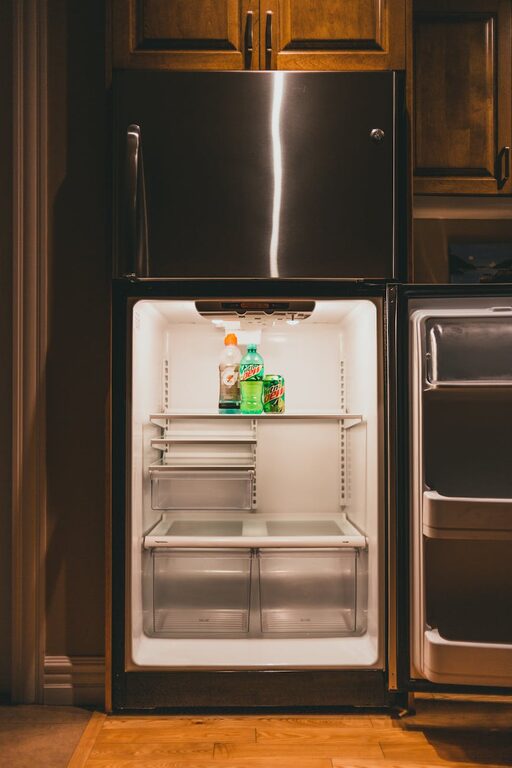
Keeping your fridge and pantry tidy is more than just about neatness—it helps reduce food waste, saves money, and ensures that your meals are prepared efficiently. When you know exactly what ingredients you have and where they are, cooking becomes a stress-free experience. In this post, we’ll explore easy and effective ways to keep your fridge and pantry organized, so your kitchen stays clean and functional.
Why Organize Your Fridge and Pantry?
A well-organized kitchen storage system offers many benefits, including:
– Minimized food waste: When food is visible and easy to access, you’re less likely to forget items that spoil.
– Improved safety: Proper storage prevents cross-contamination and keeps your food fresh longer.
– Easier meal planning: Knowing what you have helps you plan meals without unnecessary trips to the store.
– Time-saving: You can grab ingredients quickly without rummaging through cluttered shelves.
Getting Started: Clean and Declutter
Before organizing, take some time to clean out your fridge and pantry.
Step 1: Empty Everything
Take out all items from the fridge and pantry. This gives you an opportunity to see what you have and make more space.
Step 2: Check Expiration Dates
Discard expired or spoiled food. If some items are close to their use-by dates, place them in a “use soon” bin or at the front for easy access.
Step 3: Clean Shelves
Wipe down shelves, drawers, and containers with warm, soapy water. This removes spills, bacteria, and odors.
Step 4: Assess Storage Containers
Check if existing containers are sturdy and clear enough to identify contents quickly. Consider investing in uniform, airtight containers for better space management.
Organizing the Fridge
Here are practical tips to keep your fridge tidy and efficient.
Use Zones for Different Food Types
Assign sections for different categories to avoid cross-contamination and keep foods fresh:
– Top shelves: Ready-to-eat foods like leftovers, drinks, and snacks.
– Middle shelves: Dairy products such as milk, cheese, and yogurt.
– Bottom shelves: Raw meat, fish, and poultry (stored on trays to catch drips).
– Drawers: Vegetables and fruits, ideally separated because fruits emit ethylene gas which can spoil vegetables faster.
Label and Date Items
Use washable labels or masking tape and a marker to note the purchase or opening date of leftovers and opened packages. This helps you use food before it goes bad.
Invest in Clear Storage Bins
Group small items like condiments, cheese packs, or snack packs in clear bins. This reduces clutter and makes it easier to pull out what you need.
Use Lazy Susans and Stackable Containers
Rotate items easily by placing condiments or jars on a lazy Susan. Stackable containers maximize vertical space.
Keep a “Use First” Zone
Designate a spot for items closest to their expiration dates so everyone in the household uses them first.
Organizing the Pantry
Pantries can easily become overcrowded if not maintained properly. Follow these tips to maintain order.
Group Similar Items Together
Arrange foods by categories such as:
– Baking supplies (flour, sugar, baking powder)
– Canned goods
– Grains and pasta
– Snacks
– Spices and seasonings
Grouping makes it easier to find ingredients and helps track inventory.
Use Clear, Airtight Containers
Transfer dry goods like rice, beans, pasta, and cereal into airtight containers. This not only keeps food fresh longer but also avoids pests and cluttered packaging.
Label Everything
Label containers clearly with contents and expiration dates. This is especially useful when transferring food from original packaging.
Create Zones with Baskets and Bins
Use baskets or bins to categorize smaller items or packages. Bins can hold snacks, seasoning packets, or baking tools so they don’t scatter.
Keep a Shopping List Spot
Attach a notepad or chalkboard nearby to jot down items that are running low. This encourages timely restocking and prevents impulse purchases.
Rotate Stock Regularly
Practice the “first in, first out” rule by moving newly bought items to the back and older items to the front. This reduces waste by using older foods before they expire.
Maintenance Tips for Long-Term Organization
Organizing your fridge and pantry is an ongoing task. Use these tips to stay on top of it:
– Set a regular schedule to clean and review your storage spaces, such as once a month.
– Teach everyone in the household how to put items back properly.
– Avoid overbuying by planning meals and checking inventory before shopping.
– Use see-through containers and visible labels to keep inventory in plain sight.
– Plan leftover meals to consume food before it spoils.
Final Thoughts
A tidy fridge and pantry contribute greatly to a smooth kitchen routine and healthier eating habits. By decluttering, using smart storage solutions, and adopting simple maintenance habits, you’ll find cooking less stressful and your kitchen more inviting. Start small, take it one section at a time, and enjoy the benefits of an organized food storage system.
Happy organizing!